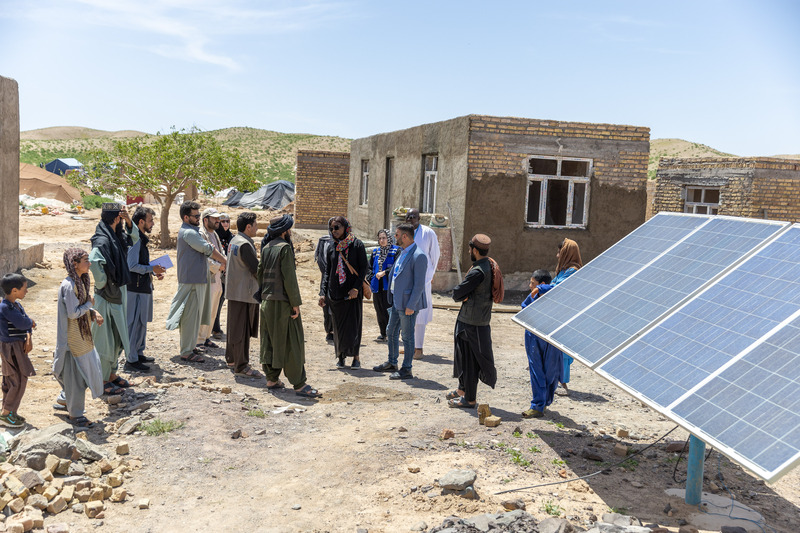
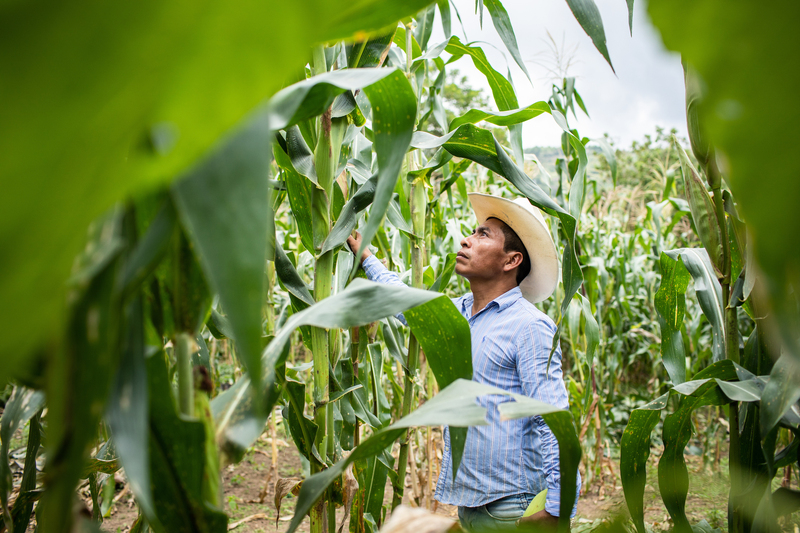
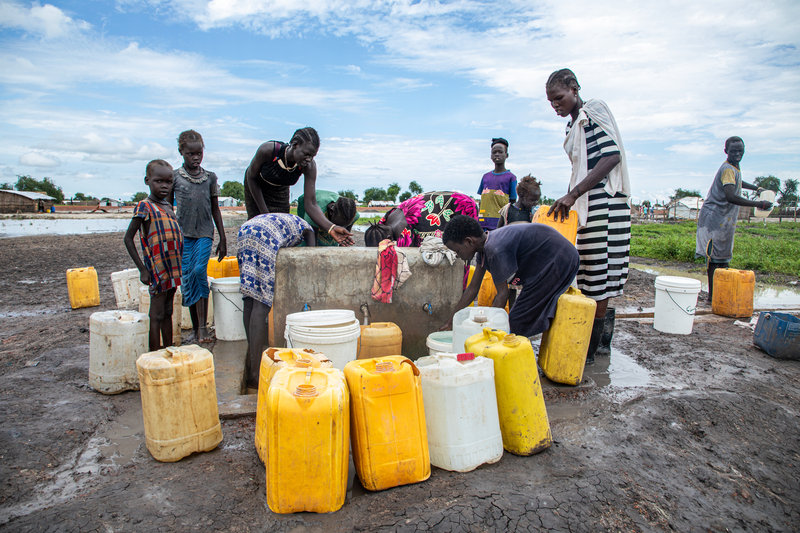
The humanitarian landscape in 2026 is under growing pressure from an accelerating climate crisis and increasingly limited resources. Climate and environmental risks are deeply intertwined with conflict and fragility, driving higher and more complex humanitarian needs. At the same time, the humanitarian reset offers an opportunity to think innovatively about these emerging challenges, while strengthening and scaling what already works: improving how assistance is delivered, how resources are used, and how leadership is shared. Against this backdrop, the HNPW 2026 Climate Crisis AOCC will explore how integrating climate action, environmental sustainability, and anticipatory approaches into humanitarian response can reduce future needs, improve operational efficiencies, and strengthen resilience of both our sector and the communities we work with.
Objectives
The Climate Crisis AOCC aims to advance practical, participant-driven dialogue on climate and environmental integration in the context of the humanitarian reset. Participants will leave with:
A shared understanding of how climate action, environmental sustainability, and anticipatory approaches support a green humanitarian reset, reducing recurrent needs while improving efficiency and effectiveness under funding constraints.
Collective insights on what’s needed to transition power to national, local, and community actors, drawing on participant experience from locally led climate and environmental action at country and community levels.
Identified priorities and pathways for sustainable humanitarian action, including low-hanging opportunities and short-, medium-, and long-term actions that embed sustainability across programmes and operations.
Practical ideas for improving coordination and efficiency across networks, highlighting how partnerships, collaboration, and better use of existing expertise can streamline action and sustain momentum.
This is a public website hosted by the UN OCHA to facilitate information exchange in disaster preparedness and response. The information on this page is provided by individuals and organizations and does not reflect the views of OCHA or the United Nations.